Betty Boop: Poor Cinderella (1934)
About This Cartoon
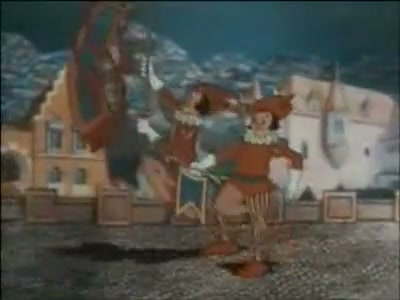
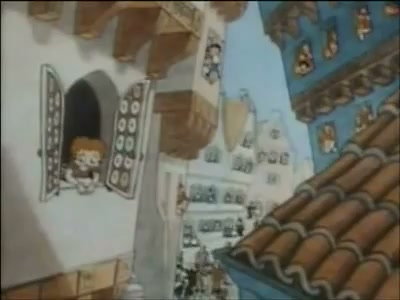
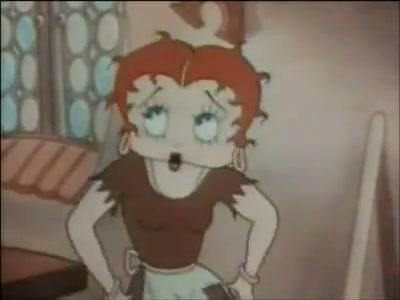
“Poor Cinderella” presents a vibrant and imaginative retelling of the classic fairy‑tale, brought to life through the studio’s distinctive blend of musical storytelling and expressive character animation. The short follows Betty in the role of the mistreated heroine, navigating a world of exaggerated chores and comically cruel stepsisters before her fortunes shift with the arrival of a magical helper. What sets this version apart is its playful tone and richly stylized setting, where everyday objects transform with a life of their own and the familiar story unfolds with a light, rhythmic charm. The use of color adds an immediate sense of spectacle, giving the fairy‑tale world a warm, dreamlike glow that enhances the cartoon’s whimsical atmosphere. The characters move with the fluid elasticity typical of the studio’s work, but the addition of color allows their personalities to shine in new ways. Betty’s design is softened and more delicate than in her black‑and‑white appearances, emphasizing her innocence and optimism. The stepsisters are exaggerated for comedic effect, their movements broad and theatrical, while the fairy godmaker—an inventive twist on the traditional fairy godmother—brings a burst of magical energy that drives the story forward. The pacing balances gentle musical interludes with lively visual gags, and the humor leans into transformation, slapstick, and the unpredictable logic of early animation. The overall tone is warm and playful, with a touch of fantasy that keeps the familiar tale feeling fresh. Historically, the short is significant as the only color appearance of Betty during the classic era, created using the Cinecolor process at a time when studios were experimenting with new technologies to enhance their productions. It reflects a moment when animated fairy‑tales were gaining popularity, yet this version stands out for its musical flair and the unique personality Betty brings to the role. Today, it remains notable for its early use of color, its imaginative reinterpretation of a well‑known story, and its place as a distinctive entry in the evolution of American animation.
Metadata
- Title: Betty Boop: Poor Cinderella
- Year: 1934
- Studio: Fleischer Studios
- Runtime: 10m 33s
Related Cartoons
Support the Archive
These links help support the site at no extra cost.
Search this cartoon on AmazonSearch this cartoon on eBay