Felix the Cat: Feline Follies (1919)

About This Cartoon
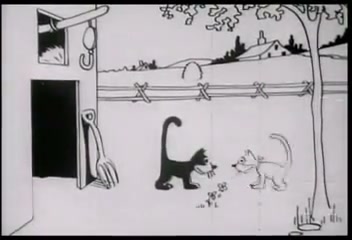
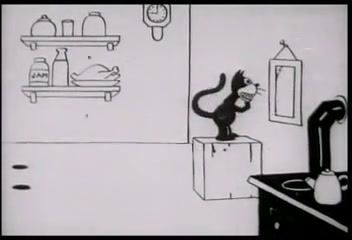
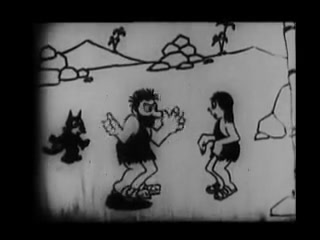
Feline Follies unfolds in a quiet little neighborhood where a black cat—known here as Master Tom—spends his evening courting a white cat who quickly captures his full attention. The setting is a simple row of houses, but the cartoon uses it as a lively backdrop for Tom’s romantic enthusiasm, which leads him to abandon his usual responsibility of keeping the local mice under control. As he serenades his new love interest and wanders through the moonlit streets, the short builds its premise around the contrast between carefree affection and the domestic chaos quietly brewing at home, where the mice seize the opportunity to run wild. The animation reflects the early silent‑era style that would soon evolve into the more recognizable Felix the Cat design, with characters moving in smooth, looping cycles and reacting through bold, readable poses rather than dialogue. Master Tom’s expressive body language conveys everything from confidence to panic, while the mice are portrayed with quick, mischievous movements that heighten the comedic tension. The pacing is brisk, shifting between romantic antics and escalating household trouble, and the humor leans on visual exaggeration—doors swinging open, mice swarming in rhythmic patterns, and Tom’s increasingly frantic attempts to recover from his earlier neglect. Even without sound in its original form, the cartoon maintains a musical rhythm through its timing and repeated visual motifs, giving it a lively, almost dance‑like flow. Historically, the short is significant as the earliest known appearance of the character who would soon become Felix the Cat, one of animation’s first true stars. Produced during a formative moment for the medium, it showcases the transition from simple gag‑driven shorts to character‑centered storytelling, with Tom’s personality already taking shape in ways that would influence decades of animated comedy. Today, the cartoon remains notable for its place in animation history, its clear demonstration of early character animation techniques, and its surprisingly bold ending, which reflects the darker humor sometimes found in silent‑era cartoons. Its blend of expressive motion, mischievous energy, and early character development makes it an essential piece of Felix’s origins and a fascinating look at the beginnings of animated storytelling.
Metadata
- Title: Felix the Cat: Feline Follies
- Year: 1919
- Studio: Van Beuren Productions
- Runtime: 4m 15s
Related Cartoons
Support the Archive
These links help support the site at no extra cost.
Search this cartoon on AmazonSearch this cartoon on eBay