Felix the Cat: Felix in Hollywood (1923)
About This Cartoon
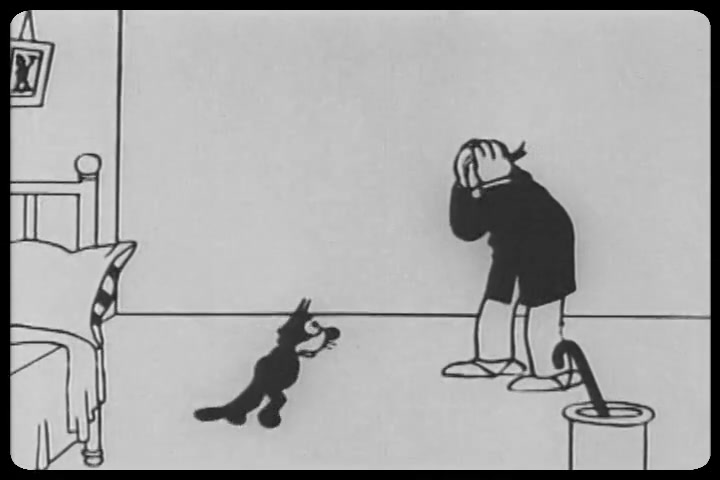
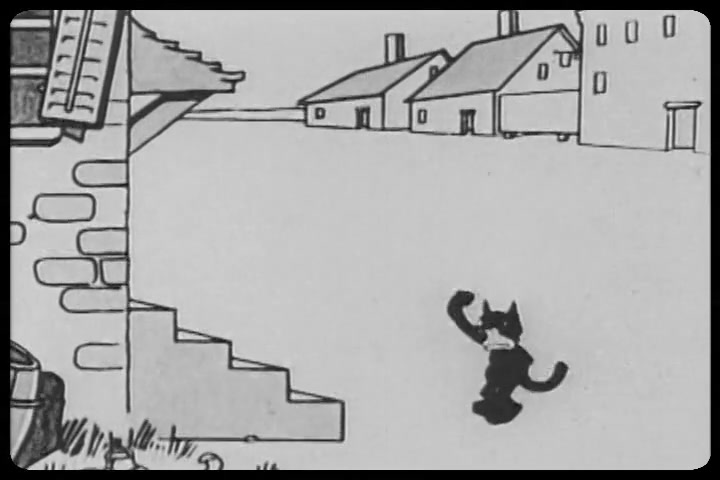
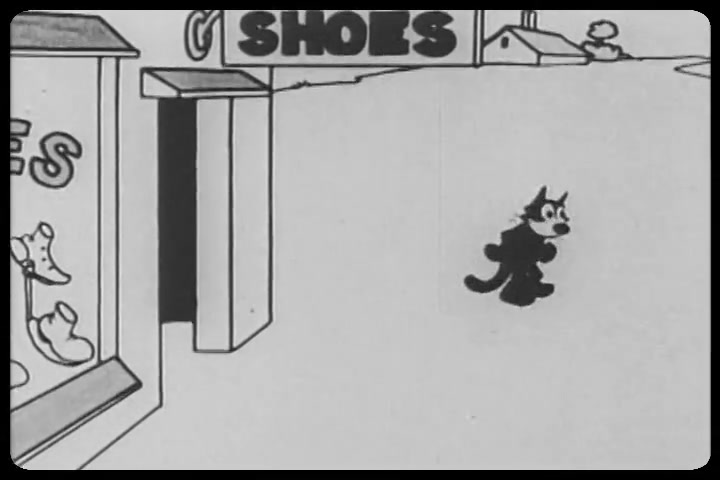
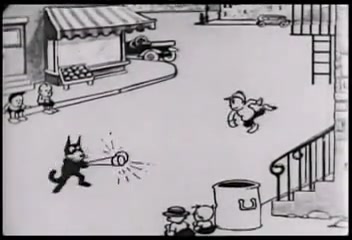
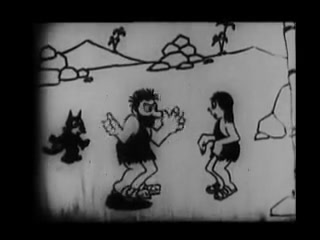
Felix in Hollywood follows the adventurous journey of Felix as he accompanies his struggling owner on a hopeful trip to the movie capital, turning a simple quest for opportunity into a lively tour through the world of early Hollywood. After helping raise the money needed for the trip through a clever and mischievous scheme at a shoe store, Felix arrives in the bustling studio environment where film sets, actors, and directors create a landscape full of possibility. The short uses Hollywood itself as a playful backdrop, letting Felix wander through soundstages, peek into dressing rooms, and stumble into situations that blend everyday curiosity with the surreal exaggeration of silent‑era animation. The animation showcases the expressive, rubber‑hose style that defined Felix’s early stardom, with smooth, looping motion and bold silhouettes that make every gesture readable even without sound. Felix’s personality shines through his confident strut, quick improvisation, and eagerness to impress anyone who might recognize his potential. The humor leans heavily on visual gags, including his inventive use of his tail and his encounters with caricatured versions of major film stars of the time. These appearances—from Douglas Fairbanks to Charlie Chaplin—are woven into the action with rhythmic timing, giving the short a lively pace that moves quickly from one comedic situation to the next. The blend of celebrity parody, physical comedy, and Felix’s expressive reactions creates a warm, energetic tone that reflects the optimism of early Hollywood storytelling. Historically, the short is significant for being one of the earliest animated films to feature caricatures of real Hollywood celebrities, marking a creative shift that would influence studios for decades. Its release during the height of Felix’s popularity helped cement his status as one of animation’s first true stars, and its inventive structure—mixing industry satire with character‑driven humor—demonstrates how animators of the era experimented with new ways to engage audiences. Today, the cartoon remains notable for its clever use of celebrity cameos, its confident silent‑era animation, and its role in shaping the tradition of Hollywood‑themed cartoons. Its combination of industry parody, expressive character work, and early cinematic charm continues to make it a standout piece of animation history.
Metadata
- Title: Felix the Cat: Felix in Hollywood
- Year: 1923
- Studio: Van Beuren Productions
- Runtime: 9m 31s
Related Cartoons
Support the Archive
These links help support the site at no extra cost.
Search this cartoon on AmazonSearch this cartoon on eBay