Hectors Hectic Life (1948)
About This Cartoon
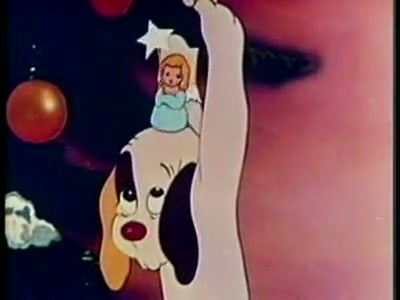
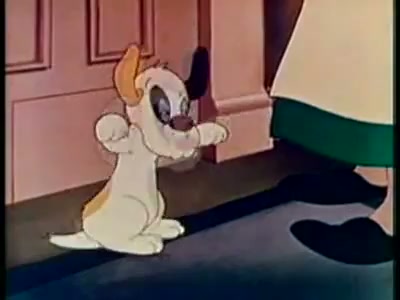
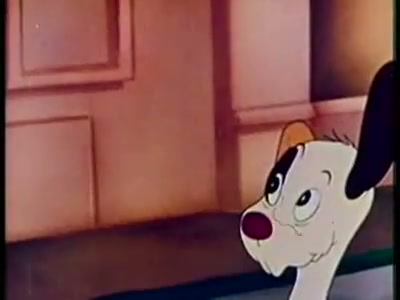
Hector’s Hectic Life follows a well‑meaning but perpetually overwhelmed dog whose quiet evening is upended the moment three abandoned kittens appear at his doorstep. Hoping to do the right thing, Hector brings them inside, only to discover that their innocent faces hide boundless energy and a talent for turning even the simplest household object into a source of chaos. As he tries to keep the house in order—and himself out of trouble—Hector becomes increasingly frantic, especially once he realizes that his owner expects a spotless home and perfect behavior. The premise is built around this escalating tension: Hector wants to be responsible, the kittens want to play, and every attempt to restore calm only makes the situation more unpredictable. The animation reflects the smooth, expressive style of late‑1940s theatrical shorts, with rounded character designs and lively motion that emphasize personality through movement. Hector’s body language—stiff with worry one moment, wildly contorted the next—carries much of the humor, while the kittens bounce through scenes with loose, rubbery enthusiasm. The pacing is brisk, shifting rapidly between gags as the kittens overturn furniture, unravel household items, and leave Hector scrambling to hide the evidence. Visual exaggeration drives the comedy, from stretched poses to frantic chases, all supported by a musical score that punctuates every mishap. Despite the chaos, the tone remains warm and playful, with the kittens portrayed as mischievous rather than malicious and Hector as a sympathetic figure doing his best in an impossible situation. Produced during a period when studios were refining character‑driven slapstick, this short showcases the era’s emphasis on expressive animation and tightly timed physical comedy. It also reflects the postwar trend of domestic‑setting cartoons, where everyday responsibilities become the backdrop for escalating gags. Today, the film stands out for its energetic animation, its charmingly exasperated protagonist, and its timeless theme of good intentions colliding with youthful mischief. As a piece of public‑domain animation, it offers a vivid snapshot of mid‑century cartoon craftsmanship and the enduring appeal of stories built around lovable characters pushed to their limits.
Metadata
- Title: Hectors Hectic Life
- Year: 1948
- Studio: Famous Studios
- Runtime: 6m 28s
Related Cartoons
Support the Archive
These links help support the site at no extra cost.
Search this cartoon on AmazonSearch this cartoon on eBay