Popeye: Fright to the Finish (1954)
About This Cartoon
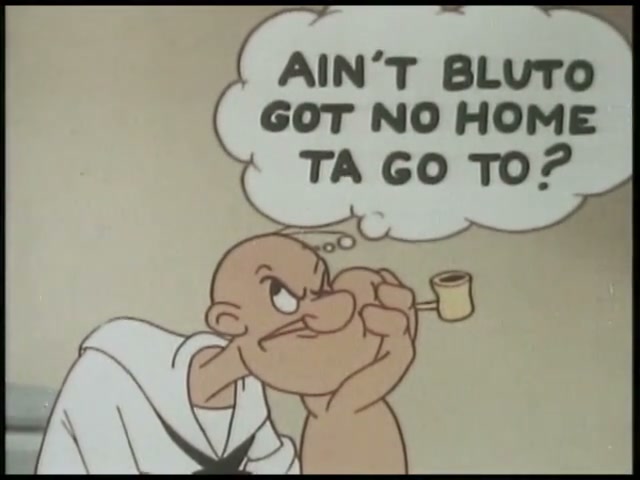
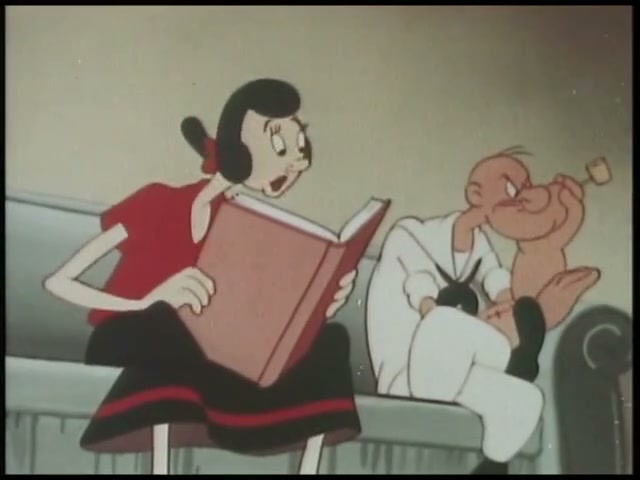
Fright to the Finish unfolds on Halloween night, beginning with Popeye, Olive Oyl, and Bluto gathered in Olive’s cozy home as she reads spooky stories aloud. The peaceful atmosphere quickly shifts when Bluto, eager to get Popeye out of the way and win Olive’s attention for himself, pretends to leave but instead launches a series of elaborate pranks designed to frighten the pair. His tricks—a headless figure, a rattling skeleton, and a floating ghost—are staged with theatrical flair, each one escalating the tension and pushing Olive into a state of alarm. Bluto pins the blame on Popeye, who is promptly thrown out of the house, leaving Bluto free to comfort Olive while Popeye stews outside, determined to clear his name and turn the tables. The animation reflects Famous Studios’ polished mid‑1950s style, with expressive character acting, bold outlines, and smooth timing that heighten both the spooky atmosphere and the comedic energy. Bluto’s pranks are animated with exaggerated menace and playful mischief, while Olive’s reactions swing dramatically between fear and indignation. Popeye, ever resourceful, reenters the story by sneaking back into the house and using a jar of vanishing cream to make himself invisible. This leads to some of the cartoon’s most memorable visual gags, as Popeye—now unseen—manipulates objects, startles Bluto, and ultimately exposes the truth behind the earlier scares. The pacing remains brisk throughout, balancing eerie setups with slapstick payoffs, and the Halloween setting allows for creative use of shadows, props, and atmospheric lighting. Produced during a period when the studio frequently blended holiday themes with character‑driven comedy, this short stands out for its playful use of Halloween imagery and its inventive twist on Popeye’s rivalry with Bluto. It showcases the era’s interest in combining spooky motifs with lighthearted humor, using invisibility, staged scares, and escalating misunderstandings to drive the narrative. Today, the film remains notable for its spirited animation, its clever use of seasonal themes, and its humorous portrayal of Popeye as both victim and victor in a night of ghostly mischief. Its blend of atmosphere, rivalry, and visual creativity makes it a memorable entry in the character’s long‑running series.
Metadata
- Title: Popeye: Fright to the Finish
- Year: 1954
- Studio: Fleischer Studios
- Runtime: 6m 20s
Related Cartoons
Support the Archive
These links help support the site at no extra cost.
Search this cartoon on AmazonSearch this cartoon on eBay