Somewhere in Dreamland (1936)
About This Cartoon
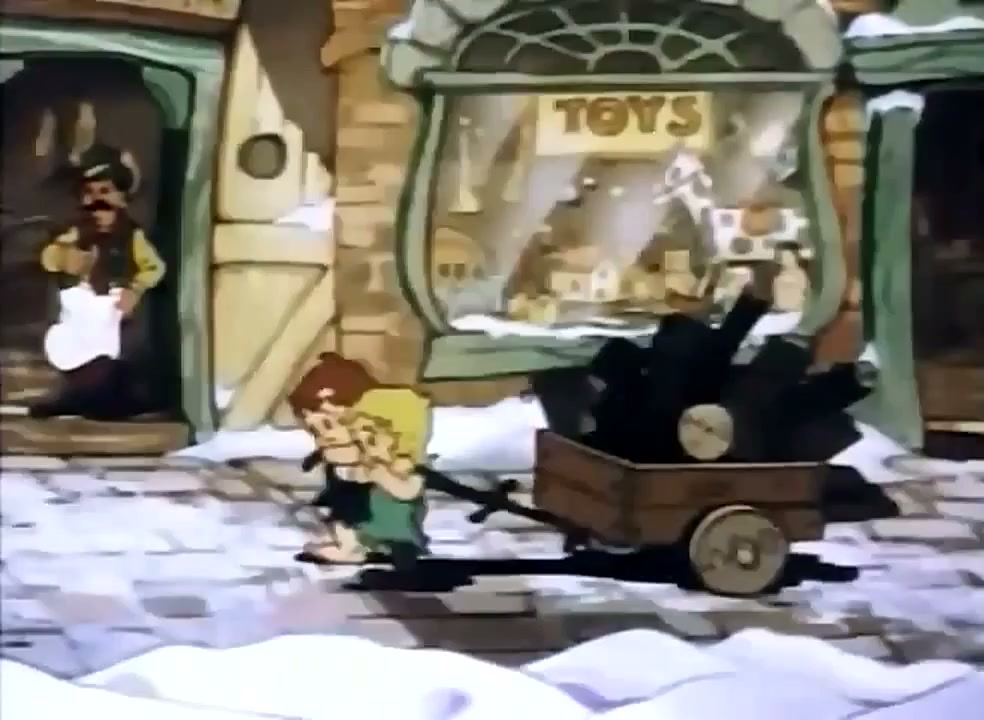
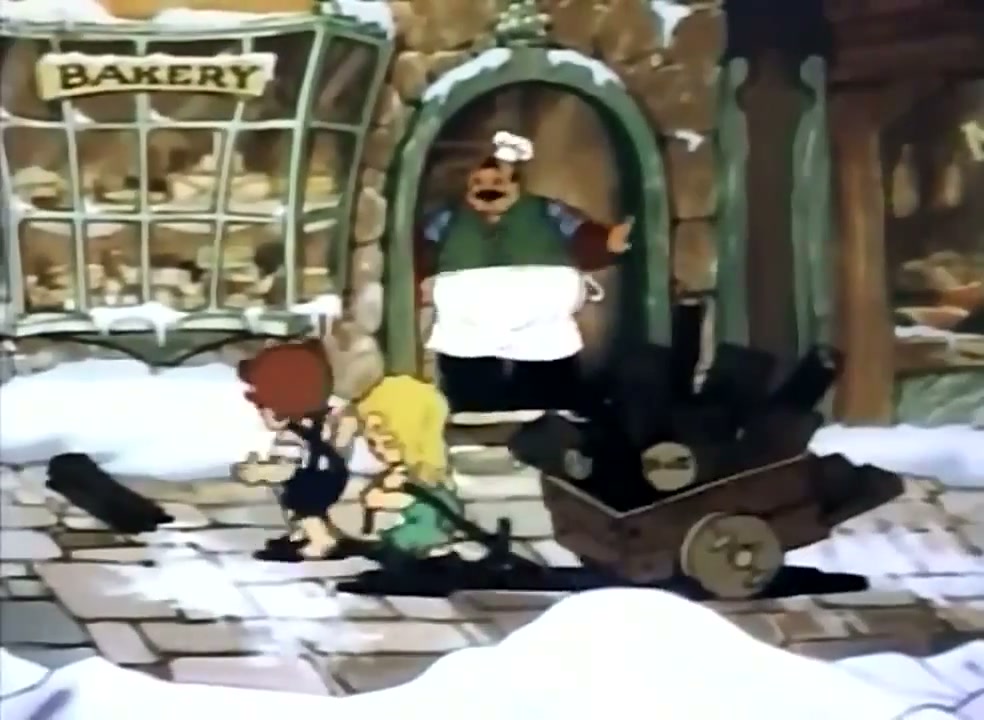
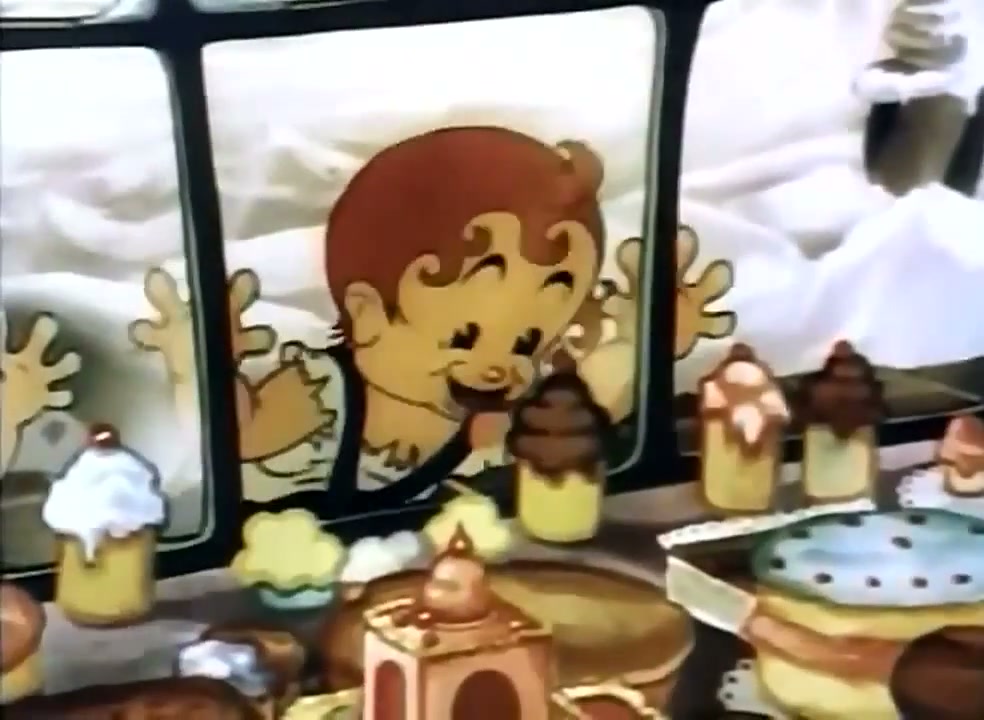
Somewhere in Dreamland begins on a cold winter evening, following a young brother and sister as they trudge through town collecting firewood, their worn clothing and weary expressions quietly revealing the hardship they live with. As they pass bakery windows filled with cakes and candies, their longing glances hint at a world far beyond their reach. After returning home to a sparse meal and a mother who tries her best to comfort them despite having little to offer, the children drift off to sleep and slip into a fantastical dream world. In this imagined land, everything they lack in real life appears in abundance: rolling fields of sweets, towering cakes, playful toys, warm clothing, and soft beds. The dream becomes a joyful escape, a place where hunger, cold, and worry melt away into laughter and delight. The animation showcases Fleischer Studios’ early Technicolor work, with rich pastel hues, rounded character designs, and fluid motion that give Dreamland a soft, storybook quality. The contrast between the muted, wintry tones of the real world and the vibrant, candy‑colored landscapes of the dream sequence heightens the emotional impact, emphasizing the children’s yearning and the warmth of their imagined happiness. Visual gags—such as ice‑cream fields, popcorn sprouting from the ground, and oversized confectionery rides—create a whimsical rhythm that keeps the dream lively without overwhelming its gentle tone. The pacing moves smoothly from somber realism to exuberant fantasy and back again, allowing the emotional arc to unfold naturally. Produced during the Great Depression, the short reflects the era’s interest in stories that acknowledged hardship while offering hope through imagination and community. It was also Fleischer’s first cartoon created in three‑strip Technicolor, marking a significant milestone in the studio’s visual evolution. Today, Somewhere in Dreamland remains notable for its heartfelt blend of social awareness and fantasy, its lush early color animation, and its tender portrayal of kindness—both in the children’s dream and in the real‑world generosity that greets them when they awaken.
Metadata
- Title: Somewhere in Dreamland
- Year: 1936
- Studio: Fleischer Studios
- Runtime: 8m 56s
Related Cartoons
Support the Archive
These links help support the site at no extra cost.
Search this cartoon on AmazonSearch this cartoon on eBay