Superman: The Mechanical Monsters (1941)
About This Cartoon
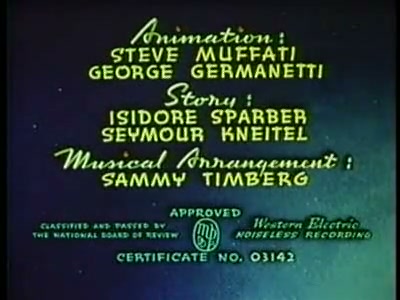
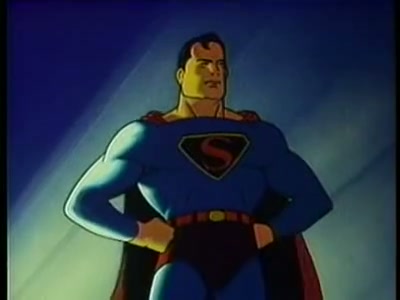
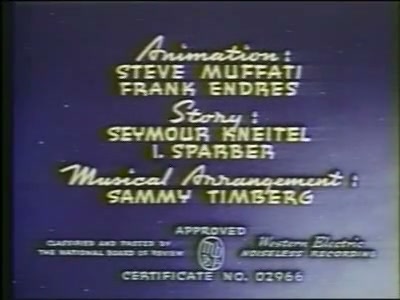
The Mechanical Monsters begins with a wave of daring robberies sweeping the city, all carried out by towering, metal‑clad robots controlled by a hidden criminal inventor. As these machines raid banks and museums with cold precision, Clark Kent and Lois Lane are assigned to cover the unfolding crisis. Their reporting takes them to a major jewel exhibition, where one of the robots descends from above, effortlessly bypasses the police, and begins loading priceless gems into a compartment within its chest. While Clark steps away to phone in the story, Lois seizes the chance to follow the robot from the inside, hiding herself among the stolen treasures. Her bold move sets the stage for a high‑stakes rescue as Clark transforms into Superman and races after the airborne machine, beginning a chase that leads deep into the inventor’s industrial lair. The animation reflects Fleischer Studios’ dramatic early‑1940s style, with bold shadows, richly painted backgrounds, and fluid character motion that give the robots a sense of weight and menace. Their design—boxy bodies, piston‑like limbs, and glowing eyes—creates a striking contrast with Superman’s organic movement and expressive poses. The action sequences are staged with cinematic flair: Superman clings to a robot mid‑flight, battles electrical traps, and tears through steel doors as molten metal pours around him. Lois’s determination and quick thinking add emotional tension, especially as she confronts the inventor and refuses to reveal what happened to the stolen jewels. The pacing is brisk, shifting rapidly between large‑scale destruction, investigative moments, and tightly choreographed fights, all underscored by a dramatic orchestral score that heightens the sense of danger. Produced in 1941 as the second entry in the Fleischer Superman series, this short is notable for its ambitious use of Technicolor, its art‑deco industrial environments, and its imaginative depiction of robots long before they became common in popular media. It showcases the studio’s commitment to cinematic storytelling, blending science‑fiction spectacle with the moral clarity of early superhero narratives. Today, The Mechanical Monsters remains celebrated for its inventive robot designs, its dynamic action, and its influence on later depictions of mechanical villains across animation and comics.
Metadata
- Title: Superman: The Mechanical Monsters
- Year: 1941
- Studio: Fleischer Studios
- Runtime: 10m 14s
Related Cartoons
Support the Archive
These links help support the site at no extra cost.
Search this cartoon on AmazonSearch this cartoon on eBay