Betty Boop: A Song a Day (1936)
About This Cartoon
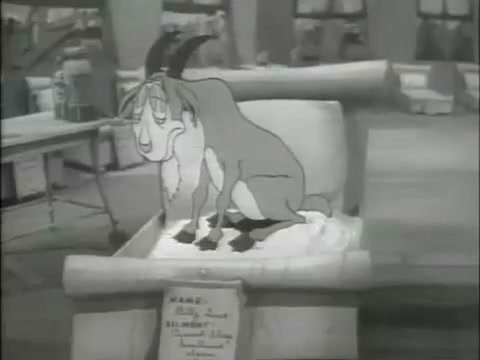
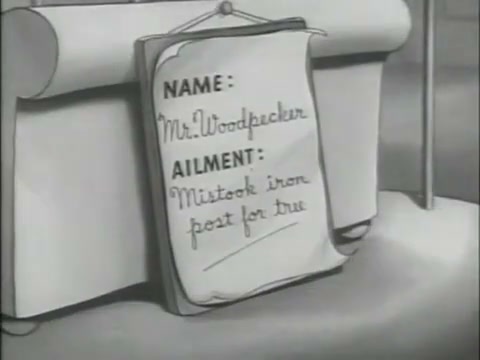
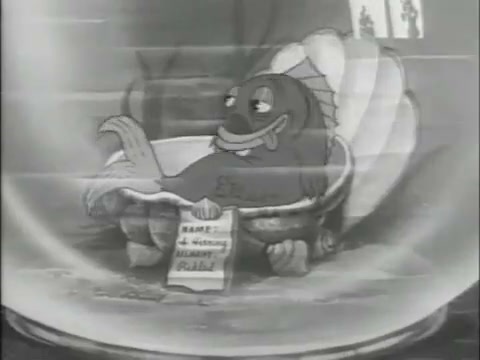
Betty Boop’s A Song a Day is a 1936 Fleischer Studios short in which Betty runs an animal hospital filled with patients suffering from humorous, exaggerated ailments, including a giraffe with a sore neck and a herring that is literally “pickled.” The cartoon’s premise centers on Betty’s attempts to lift the spirits of her struggling patients, a task that becomes increasingly difficult until the arrival of Grampy, the cheerful inventor known for creating spontaneous musical contraptions. His appearance transforms the gloomy atmosphere into a lively celebration, turning the hospital into a stage for upbeat music and spirited dancing. This setup allows the short to blend gentle comedy with musical energy, reflecting Fleischer’s talent for combining character-driven storytelling with rhythmic visual humor. The animation showcases the expressive black‑and‑white style that defined Fleischer Studios during the mid‑1930s, featuring fluid motion, rubber‑hose elasticity, and imaginative sight gags. Betty’s role as caretaker highlights her warm, nurturing personality, while Grampy’s inventive antics provide the cartoon’s comedic spark. His improvised “music machine,” assembled from everyday objects, becomes the centerpiece of the short’s visual humor, energizing the animals and bringing the hospital to life. The pacing remains brisk, supported by Sammy Timberg’s musical direction and the studio’s signature ability to synchronize movement with melody. The animals’ reactions—ranging from toe‑tapping to full‑body dancing—create a sense of communal joy that builds toward a lively finale. Viewed today, A Song a Day stands as a representative example of Fleischer Studios’ approach to musical storytelling and character animation during the pre‑war era. Directed by Dave Fleischer and animated by artists such as David Tendlar and Nick Tafuri, the short reflects the studio’s emphasis on personality-driven humor and inventive musical sequences. Its public domain status, resulting from a lapse in copyright renewal, has helped preserve it for modern audiences, allowing viewers to appreciate its blend of comedy, music, and early American animation craftsmanship. The cartoon remains notable for its upbeat tone, its creative use of music as a narrative device, and its portrayal of Betty Boop and Grampy at the height of their popularity, offering a charming snapshot of 1930s animation culture.
Metadata
- Title: Betty Boop: A Song a Day
- Year: 1936
- Studio: Fleischer Studios
- Runtime: 6m 57s
Related Cartoons


Support the Archive
These links help support the site at no extra cost.
Search this cartoon on AmazonSearch this cartoon on eBay