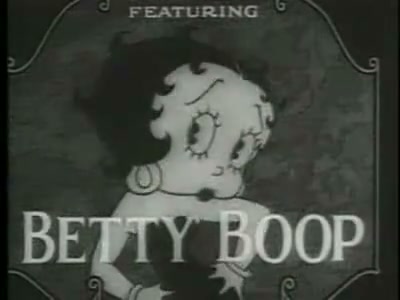
Betty Boop: The Old Man of the Mountain (1933)
About This Cartoon
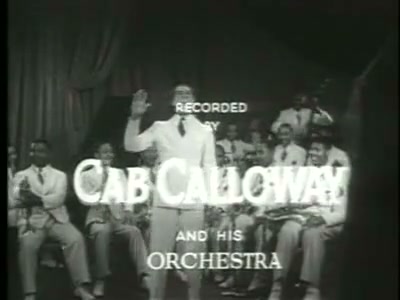
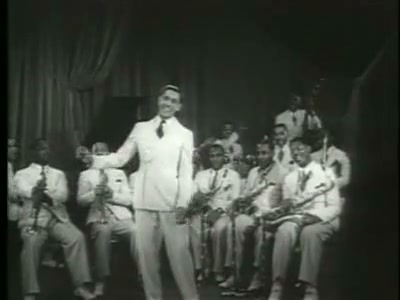
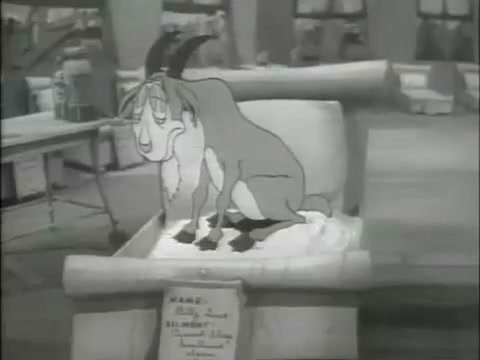
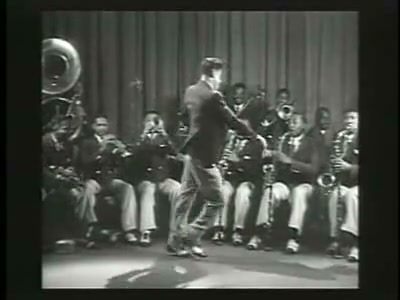
The cartoon opens with a lively blend of music and atmosphere as a frightened village reacts to the looming presence of a mysterious figure who lives high in the mountains. Betty Boop arrives in the midst of the commotion, curious rather than intimidated, and her determination to understand the source of the panic becomes the driving force of the story. The setting shifts from a bustling, animal‑filled community to the rugged, shadowy heights where the Old Man resides, creating a natural contrast between safety and danger that gives the short its dramatic spark. The characters are animated with the fluid, elastic motion that defined early Fleischer work, where every gesture feels musical and every expression stretches just a bit beyond realism. Betty is portrayed with her usual mix of charm and bravery, stepping into the unknown with a confidence that anchors the cartoon. The Old Man himself is a towering, unpredictable figure whose movements are rotoscoped from live‑action performance, giving him a uniquely smooth and rhythmic presence that stands apart from the rest of the cast. The pacing moves quickly, propelled by musical sequences, surreal transformations, and the studio’s signature blend of humor and menace. Visual gags appear in rapid succession, and the cartoon leans into a playful sense of danger without losing its comedic tone. Created during the early 1930s, the short reflects a period when Fleischer Studios was experimenting heavily with music integration, rotoscoping, and atmospheric design. Its collaboration with a well‑known bandleader of the era adds historical significance, showcasing how animation and contemporary music were intertwined in theatrical shorts of the time. Today, the cartoon remains notable for its bold character animation, its inventive mixture of live‑action and drawn performance, and its willingness to explore darker, more surreal themes while still delivering an entertaining, rhythm‑driven experience. Its distinctive style and memorable antagonist continue to make it one of the most discussed and visually striking entries in the series.
Metadata
- Title: Betty Boop: The Old Man of the Mountain
- Year: 1933
- Studio: Fleischer Studios
- Runtime: 6m 52s
Related Cartoons
Support the Archive
These links help support the site at no extra cost.
Search this cartoon on AmazonSearch this cartoon on eBay