Flip the Frog: Fiddlesticks (1930)
About This Cartoon
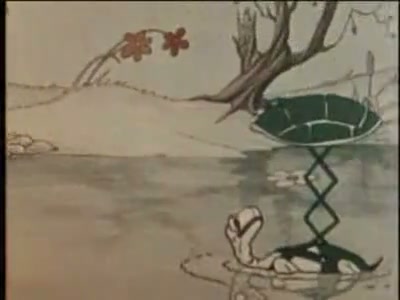
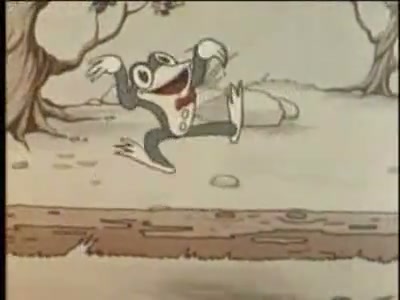
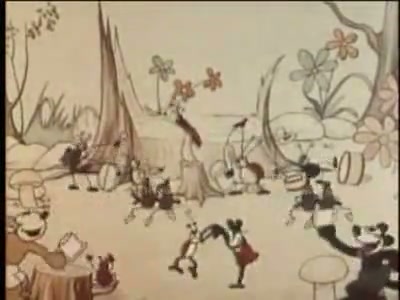
Flip the Frog steps into a lively woodland setting in this early sound-era short, where music and movement form the heart of the cartoon’s simple but charming premise. The film opens with Flip emerging from a pond and making his way to an outdoor gathering of forest animals, who eagerly await entertainment. What follows is less a traditional narrative and more a musical showcase, with Flip dancing, performing, and eventually joining a violin‑playing mouse in a spirited duet. The setting feels like a natural amphitheater, with tree stumps, lily pads, and woodland creatures forming an enthusiastic audience, giving the short a warm, communal atmosphere built around rhythm and performance rather than plot. The animation reflects the transitional moment in which it was created, combining the rubber‑hose expressiveness of late‑1920s character design with the new possibilities offered by synchronized sound. Flip moves with loose, elastic energy, his gestures timed closely to the music, while the mouse violinist provides a contrasting personality through delicate bowing and exaggerated emotional reactions. The humor leans on visual exaggeration, musical gags, and the playful relationship between performer and instrument, including moments where the piano itself seems to share in the mood of the music. The pacing is brisk and upbeat, driven by the soundtrack rather than dialogue, and the color process used in the original release gives the short a distinctive look that sets it apart from many contemporaries still working in black and white. Historically, this cartoon holds a special place as the first entry in the Flip the Frog series and one of the earliest sound cartoons photographed in color, marking a significant milestone for Ub Iwerks after his departure from Disney. It showcases the experimental spirit of the early 1930s, when studios were exploring how synchronized sound and color could reshape animated storytelling. Today, the short remains notable for its musical focus, its early use of color, and its role in introducing a character who would become central to Iwerks’ independent studio. Its blend of lively performance, expressive animation, and technical innovation makes it an important piece of early animation history.
Metadata
- Title: Flip the Frog: Fiddlesticks
- Year: 1930
- Studio: UB Iwerks
- Runtime: 6m 12s
Related Cartoons
Support the Archive
These links help support the site at no extra cost.
Search this cartoon on AmazonSearch this cartoon on eBay