Jack Frost (1934)
About This Cartoon
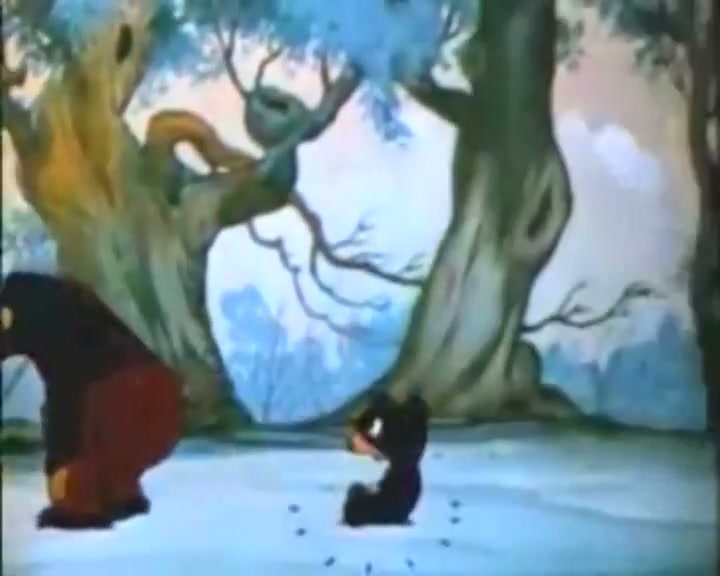
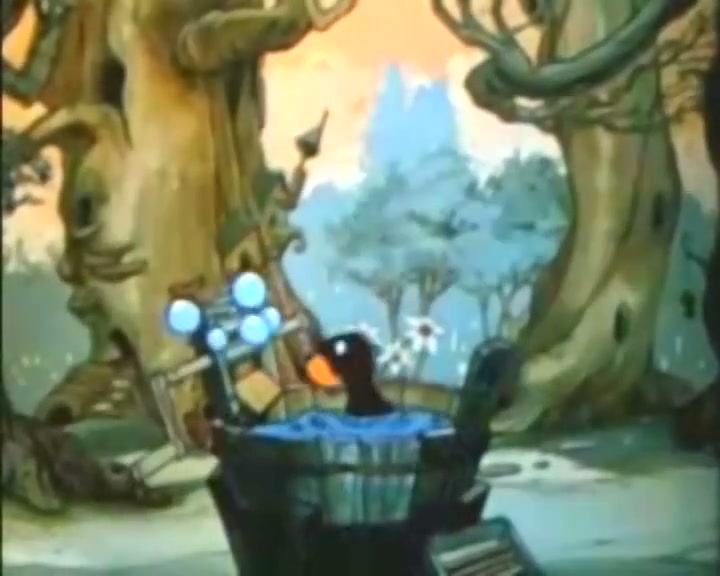
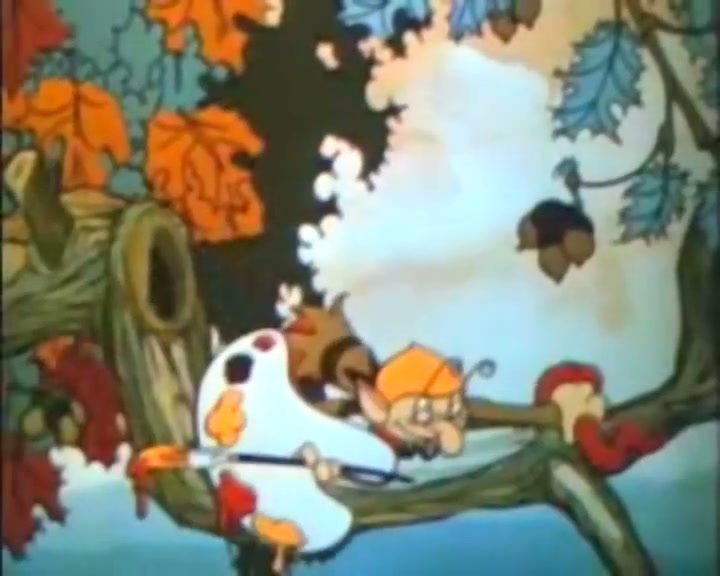
Jack Frost opens in a quiet woodland community preparing for winter, where animals bustle about gathering food and fortifying their homes as the seasons begin to shift. The peaceful routine is interrupted when Jack Frost himself descends upon the forest, bringing shimmering ice, swirling snow, and a mischievous delight in transforming the landscape. His arrival fascinates a young bear cub who, ignoring warnings about the dangers of winter, insists he is brave enough to face the cold. This sets the stage for a gentle fable in which curiosity, overconfidence, and the harshness of nature collide, pushing the cub into a situation far beyond what he expected. The animation blends early Technicolor hues with Fleischer Studios’ expressive character work, giving the forest a soft, storybook quality that contrasts with the sharp sparkle of Jack Frost’s icy handiwork. Characters move with rounded, fluid motion, and the cub’s wide‑eyed innocence is conveyed through lively gestures and exaggerated reactions. Jack Frost, by contrast, is animated with light, airy movements that emphasize his magical nature, drifting through scenes as he paints frost across leaves and trees. The pacing shifts smoothly between cozy woodland activity, playful winter magic, and moments of genuine peril as the cub learns firsthand how quickly the cold can turn dangerous. Humor appears in small visual touches—animals scrambling to prepare for winter, Jack’s impish flourishes—but the short maintains a warm, cautionary tone throughout. Produced during the mid‑1930s, this film reflects Fleischer Studios’ growing interest in richly colored seasonal fantasies and moral‑tinged storytelling. It showcases the studio’s ability to merge atmospheric world‑building with character‑driven animation, using color and music to heighten emotion without relying on dialogue. Today, the short remains notable for its blend of whimsy and gentle warning, its imaginative depiction of winter’s arrival, and its place within the broader evolution of early Technicolor animation. Its combination of charm, visual craftsmanship, and timeless themes continues to make it a standout example of Fleischer’s seasonal fables.
Metadata
- Title: Jack Frost
- Year: 1934
- Studio: UB Iwerks
- Runtime: 8m 31s
Related Cartoons
Support the Archive
These links help support the site at no extra cost.
Search this cartoon on AmazonSearch this cartoon on eBay