Betty Boop: Be Human (1936)
About This Cartoon
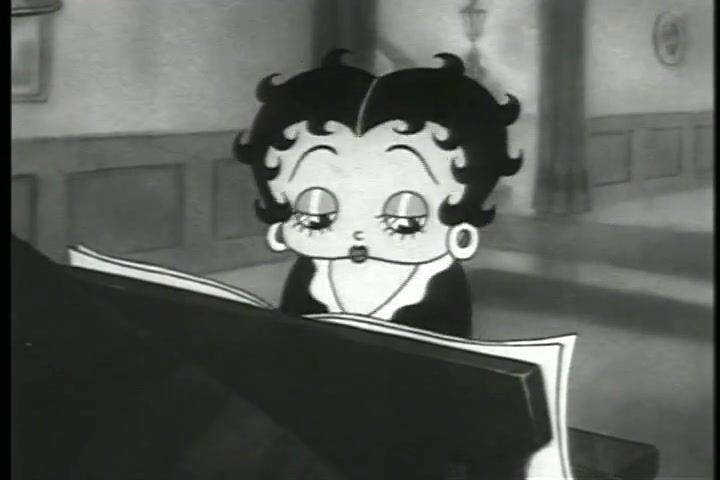
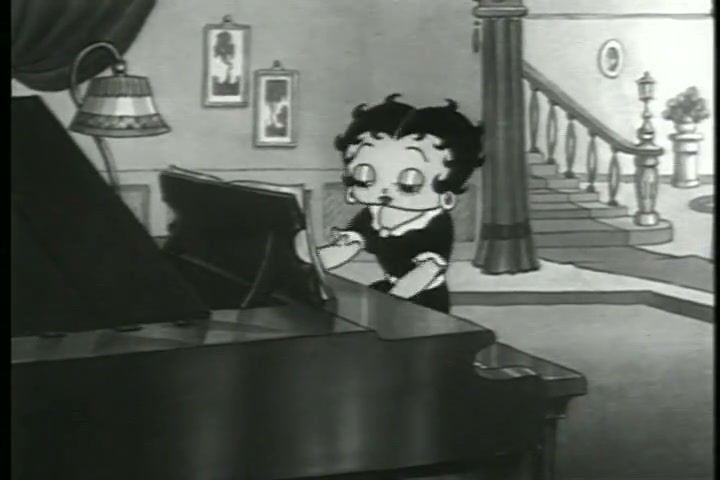
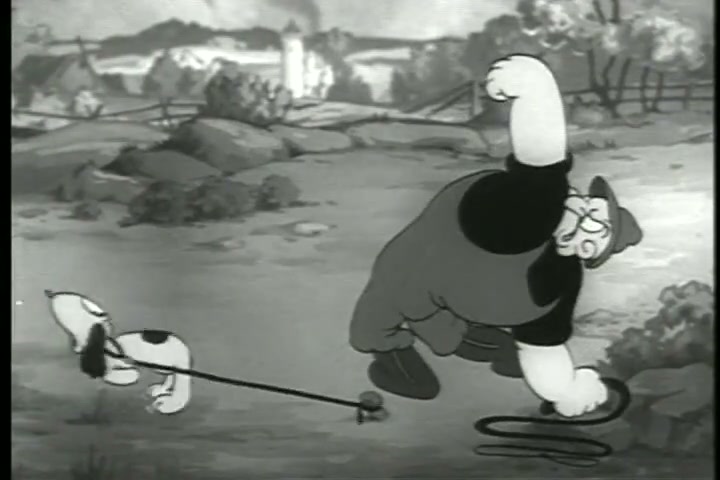
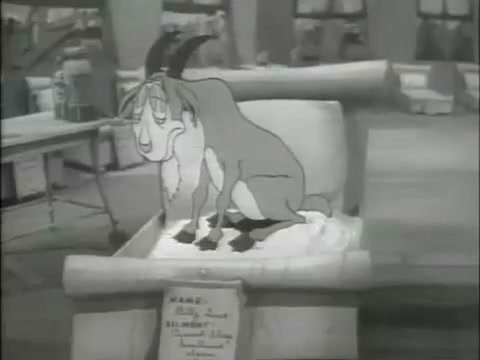
Betty Boop’s Be Human is a 1936 Fleischer Studios short that places Betty and her inventive friend Grampy at the center of a story about compassion and animal welfare. The cartoon follows Betty as she becomes increasingly distressed by the cruel behavior of a neighboring farmer who mistreats his livestock, a premise confirmed by the film’s documented plot summary . Her concern sets the emotional tone of the short, framing the narrative around empathy and the responsibility humans have toward animals. When the situation escalates, Grampy steps in with his characteristic ingenuity, devising an elaborate contraption to teach the abusive farmer a lesson. This setup allows the cartoon to blend moral messaging with the playful inventiveness that defined many of Betty and Grampy’s shared appearances. The animation reflects Fleischer Studios’ expressive black‑and‑white style of the mid‑1930s, featuring fluid motion, rubber‑hose elasticity, and imaginative mechanical gags. Grampy’s device—an elaborate treadmill‑based punishment machine—is a prime example of the studio’s talent for turning everyday objects into whimsical inventions, a detail supported by production notes describing Grampy’s role in the short . Betty’s performance of the song “Be Human,” which appears throughout the cartoon, reinforces the short’s central theme and provides a musical throughline that ties the action together. The pacing remains brisk, moving quickly from Betty’s concern to Grampy’s intervention, while the humor arises from exaggerated reactions, inventive machinery, and the contrast between the farmer’s bluster and the animals’ expressive responses. Viewed today, Be Human stands out as one of the more socially conscious entries in the Betty Boop series, notable for addressing animal cruelty at a time when such themes were rarely explored in animated shorts. The film was directed by Dave Fleischer and features voice performances by Mae Questel as Betty and Everett Clark as Grampy, with music by Sammy Timberg . Its public domain status, confirmed by the Internet Archive listing Archive, has helped preserve it for modern audiences, allowing contemporary viewers to appreciate its blend of moral messaging, musical charm, and inventive animation. As part of the broader Fleischer legacy, the cartoon remains a compelling example of how 1930s animation could combine entertainment with gentle advocacy, offering a distinctive snapshot of the era’s creative and cultural landscape.
Metadata
- Title: Betty Boop: Be Human
- Year: 1936
- Studio: Fleischer Studios
- Runtime: 6m 28s
Related Cartoons
Support the Archive
These links help support the site at no extra cost.
Search this cartoon on AmazonSearch this cartoon on eBay